In this guide
- What is a Building Survey?
- Level 1 vs Level 2 vs Level 3 — which do you need?
- Why London properties need particular care
- What's included in a Level 3 Building Survey
- How much does a survey cost in London?
- How long does it take?
- The survey process, step by step
- How to read your report and act on it
- Using survey findings to renegotiate
- Choosing the right surveyor
What is a Building Survey?
A Building Survey — known formally as a RICS Level 3 Home Survey — is the most detailed inspection and report you can commission on a residential property's condition. It's carried out in person by a Chartered Surveyor (holding MRICS or FRICS after their name) and covers the structure, fabric, services and condition of the building far more thoroughly than a mortgage valuation or even a Level 2 HomeBuyer Report.
Unlike a valuation, a Building Survey isn't concerned with market price — it exists to answer one question: what condition is this property actually in, and what will it cost me to put right?
Level 1 vs Level 2 vs Level 3 — Which Do You Need?
RICS introduced its current Home Survey Standard on 1 March 2021 to bring more consistency and transparency to residential surveying across the UK, replacing the older "Condition Report", "HomeBuyer Report" and "Building Survey" naming with three clearly defined levels. Choosing the right one depends on the property's age, construction, condition and complexity — an RICS surveyor can advise which is appropriate for your specific property.
Level 1 — Condition Report
The RICS Level 1 Home Survey (previously called a "Condition Report") describes the property's condition, identifies risks and potential legal issues, and highlights urgent defects using a traffic-light rating system — but it doesn't advise on how to manage those defects, or what repairs are likely to cost. It's a standard visual inspection: secured panels, electrical fittings and inspection chamber covers aren't removed. Typically the lowest-priced of the three levels, it's aimed at conventional houses, flats and bungalows built from common materials and already in good condition — most often newer homes where major problems are considered unlikely.
Level 2 — HomeBuyer Report
The RICS Level 2 Home Survey (previously a "HomeBuyer Report") includes everything in a Level 1 survey, plus a more extensive roof space and drainage chamber inspection, and — unlike Level 1 — advice on defects and what maintenance or repairs may be required, helping you budget ahead. It's available as a survey only, or a survey with a valuation:
- Survey only — condition ratings plus defect and maintenance advice
- Survey and valuation — the above, plus a market valuation and an insurance reinstatement figure to help avoid under- or over-insuring the property
Suitable for conventional homes, generally under around 50 years old, built from common materials, simple in form and layout, and in reasonable condition.
Level 3 — Building Survey
The most comprehensive option. A Level 3 survey establishes how the property is built, what materials were used, and how they're likely to perform in future. It describes both visible defects and the potential for hidden ones, and sets out your repair options with a timeline and the consequences of leaving them undone — not just defect causes, but a genuine basis for budgeting. Recommended for:
- Period and older properties (pre-1930s especially)
- Listed buildings or those in conservation areas
- Homes that have been extended, converted or altered
- Properties in poor or unknown condition
- Unusual construction (timber-framed, system-built, thatched)
- Anywhere you plan to renovate, extend or convert
In London specifically, a very high proportion of housing stock falls into at least one of these categories — which is why Level 3 surveys are so common here even for fairly standard-looking terraces and semis.
Why London Properties Need Particular Care
London's housing stock creates a distinctive set of risks that buyers in newer-build regions rarely encounter:
- Age — huge numbers of Victorian (1837–1901) and Edwardian (1901–1910) terraces and semis, now well over a century old, often with solid brick walls, no damp-proof course, and original timber floors and roofs.
- Clay subsoil — much of London sits on London Clay, which shrinks and swells with moisture content, making subsidence and heave a real and recurring risk, especially near mature trees.
- Extensive alteration — loft conversions, basement digs, side-return extensions and flat conversions are extremely common, and not all were carried out with building control sign-off.
- High density — party walls, shared structures and leasehold flats introduce issues a survey needs to flag even though it can't resolve them directly.
- Historic repairs — bomb-damage rebuilds, 1960s–70s remedial work and inconsistent past renovations mean "similar-looking" houses on the same street can hide very different problems.
This is why a surveyor with genuine local London experience — who has seen hundreds of similar properties on similar streets — is worth more than a generic national panel firm.
What's Included in a Level 3 Building Survey
A thorough Level 3 report from Byrne & Co will cover:
- Roof structure and coverings, chimneys and rainwater goods
- External walls, render, pointing and damp-proofing
- Windows, doors and external joinery
- Internal walls, ceilings, floors and staircases
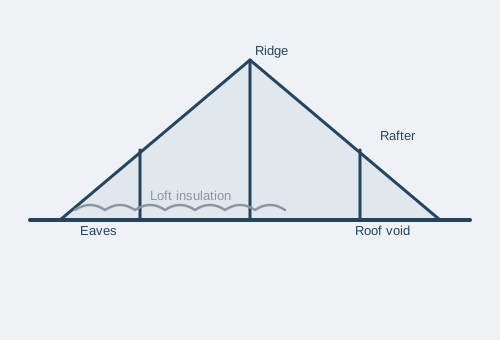
- Roof void and loft space (where safely accessible)
- Damp, timber decay and woodworm/beetle infestation
- Visible signs of structural movement or subsidence
- Drainage, plumbing and electrical installations (visual only)
- Insulation and energy efficiency observations
- Outbuildings, boundaries, garden structures and grounds
- Legal and planning considerations worth raising with your solicitor
- A prioritised list of defects with likely causes and repair guidance
How Much Does a Survey Cost in London?
Cost depends on the property's size, age, value and complexity. As a general guide for London properties in 2026:
| Property | Level 1 | Level 2 | Level 3 |
|---|---|---|---|
| 1–2 bed flat | £350–£420 | £450–£550 | £650–£800 |
| 3 bed terrace/semi | £400–£480 | £500–£620 | £750–£950 |
| 4+ bed house | £450–£550 | £600–£750 | £900–£1,300+ |
Indicative only — get a free, tailored estimate for your exact property via our contact form.
How Long Does It Take?
The on-site inspection typically takes 2–4 hours for a standard family home, longer for larger or more complex properties. Your written report is usually delivered within 5 working days of the inspection, though we can often turn around faster if you're working to a tight exchange deadline — just ask.
The Survey Process, Step by Step
- Request an estimate — tell us the postcode, property type and survey level via our contact form; we respond within one working day.
- Book a date — we'll arrange access with the seller or agent directly, or coordinate with you if you hold keys.
- On-site inspection — a chartered surveyor inspects the property; you're welcome to join for a walk-through summary at the end.
- Report delivered — a full written report within 5 working days, including photographs.
- Follow-up call — we're happy to talk through the findings and help you plan next steps or instructions for your solicitor.
How to Read Your Report and Act On It
Reports use a traffic-light or numbered condition rating system for each building element. Focus first on anything flagged as urgent or significant — these are the items that could affect safety, cause further damage if left, or carry a large repair cost. Minor and cosmetic items are worth noting but rarely change a purchase decision on their own.
A good surveyor's report should let you answer three questions: what's wrong, why, and roughly what it will cost to fix. If any of those are unclear, call your surveyor — a follow-up conversation is standard practice and should be included in the price.
Using Survey Findings to Renegotiate
It's common — and entirely reasonable — to use significant findings to renegotiate the purchase price or ask the seller to carry out repairs before completion. This works best when you:
- Get repair cost estimates for major items (a builder's quote carries more weight than the survey figure alone)
- Focus on structural, damp, roof and safety issues rather than cosmetic wear
- Raise concerns promptly, before your solicitor proceeds too far with conveyancing
- Keep the tone collaborative — most sellers would rather adjust price than lose a sale at a late stage
Choosing the Right Surveyor
Before instructing anyone, check:
- RICS membership (MRICS/FRICS) or equivalent chartered accreditation
- Professional indemnity insurance
- Local London experience with your property type and era
- A sample report you can review before booking
- Clarity on what photographs and follow-up support are included